Key Strategies for Productive Junk Removal: Declutter Your Space Now!
Smart junk removal is essential for creating a serene living space. Understanding the emotional bonds to belongings can considerably ease the decluttering process. Setting clear goals for each area cultivates focus and direction. However, many face challenges with where to begin or how to maintain organization after the initial clean-up. The following tips offer a structured approach to tackle clutter productively, ensuring a more organized environment for the long term. What steps will you take first?
Why Comprehending Your Clutter Is Essential for Hassle-Free Decluttering
Recognizing one's clutter can significantly facilitate the decluttering process, as it enables individuals to pinpoint the emotional and practical ties they have to their possessions. Many people gather items not just for their utility, but also because of sentimental attachments. This emotional connection can make context information it hard to let go. Identifying these feelings assists individuals confront the reasons behind their clutter, ultimately producing informed decisions about what to keep or discard.
Additionally, grasping the character of one's clutter can expose patterns in consumption and accumulation. By assessing how items were acquired and why they continue to exist, individuals can gain insights into their routines and preferences. This awareness cultivates a mindset supportive to change, making it less difficult to approach decluttering with resolve and clarity. In the end, the process becomes less about basic removal and more about creating a personal space that represents one's values and aspirations.
Set Clear Goals for Your Junk Removal Journey
Establishing clear objectives for a junk removal journey is critical, as it delivers clarity and motivation throughout the journey. By establishing concrete objectives, individuals can focus their efforts and measure progress accurately. For example, one might aim to declutter a specific room or accomplish a specific volume of items removed within a set period.
Moreover, defining goals can help rank tasks, which makes it simpler to tackle the most challenging areas first. This organized approach not only increases productivity but also decreases feelings of overwhelm.
Additionally, goals can encompass emotional milestones, such as experiencing a sense of satisfaction or accomplishment once the space is tidied. By envisioning the final outcome, one can sustain motivation and commitment. Eventually, clear goals work as a roadmap, guiding individuals through the commonly challenging journey of junk removal and creating a more organized, serene living area.
Build a Categorization System for Efficient Junk Removal
An efficient sorting system is vital for simplifying the junk removal process. By categorizing items, individuals can more easily figure out what to save, donate, recycle, or discard. The first step involves collecting containers or bags labeled for each category. This visual aid assists in maintaining focus during the sorting activity.
After this, users should methodically address each area, organizing items into their designated containers as they work. It is recommended to be candid about the necessity of each item, asking whether it brings value or joy. Using a timer can also increase productivity, encouraging prompt decisions and reducing second-guessing.
After sorting is finished, the next step is to transport items from the designated containers to their final destinations. This systematic approach not only facilitates the junk removal process but also promotes a sense of accomplishment, ultimately producing a more orderly and serene living space.
Target One Room at a Time for Successful Decluttering
How can focusing on one space at a time transform the decluttering process? When you channel efforts into a single location, individuals can achieve more defined and achievable objectives. Attempting to declutter a whole house simultaneously can appear insurmountable, typically triggering avoidance. Instead, segmenting the job into smaller parts—such as a single room, wardrobe, or just a drawer—allows for a more methodical process. This strategy enhances comprehensiveness, ensuring that no items are overlooked.
Once a single area is finished, a sense of accomplishment fuels motivation to continue. It also provides a visual progress indicator, highlighting the benefits of decluttering. Moreover, focusing on one area lessens distractions, permitting better decision-making regarding which items to preserve, donate, or dispose of. Ultimately, this targeted strategy not only optimizes the decluttering process but also fosters a more organized and peaceful environment, making it simpler to maintain in the long run.
Gather Your Key Decluttering Equipment
While starting on a decluttering journey, having the right tools readily available can greatly enhance the process. Essential tools include sturdy boxes or bins for sorting items into categories such as keep, donate, and discard. Labeling materials, like markers and adhesive labels, help ensure that each box is easily identifiable, expediting the decision-making process. A tape measure can also be useful for determining if larger items fit into designated spaces.
Furthermore, garbage bags are important for quickly disposing of unneeded items. For items that require special handling, such as electronics or hazardous materials, it's crucial to have a plan and appropriate containers. Last but not least, a notebook or digital app can aid in tracking progress and jotting down thoughts regarding future organization. By preparing yourself with these key decluttering tools, the journey toward a neater and clutter-free space becomes considerably more manageable.
Suggestions for Lasting Organization After Tidying Up
Establishing lasting organization after decluttering requires regular habits and thoughtful planning. To preserve an organized space, individuals should adopt a routine for regular tidying. This can include allocating a defined time each week to assess belongings and return items to their proper places.
Making use of storage solutions, such as bins or shelves, can also aid in keep items sorted and easily accessible. Labeling these storage containers provides clarity, making it less difficult to discover necessary items without digging through clutter.
Moreover, implementing a one-in-one-out strategy can prevent future accumulation. This means that for every new item introduced to the home, an old item should be discarded.
In conclusion, consistently reassessing one's space and belongings can help recognize any new clutter and resolve it immediately, encouraging a lasting organizational system. By applying these tips, individuals can experience a clutter-free environment for the long term.
When to Enlist Professional Help for Junk Removal?
Determining when to engage professionals for junk removal is based on several factors. Bulky items might need specialized equipment for safe disposal, while time constraints can make DIY efforts inefficient. Furthermore, the presence of hazardous materials necessitates expert handling to guarantee safety and compliance with regulations.
Disposal of Heavy Items
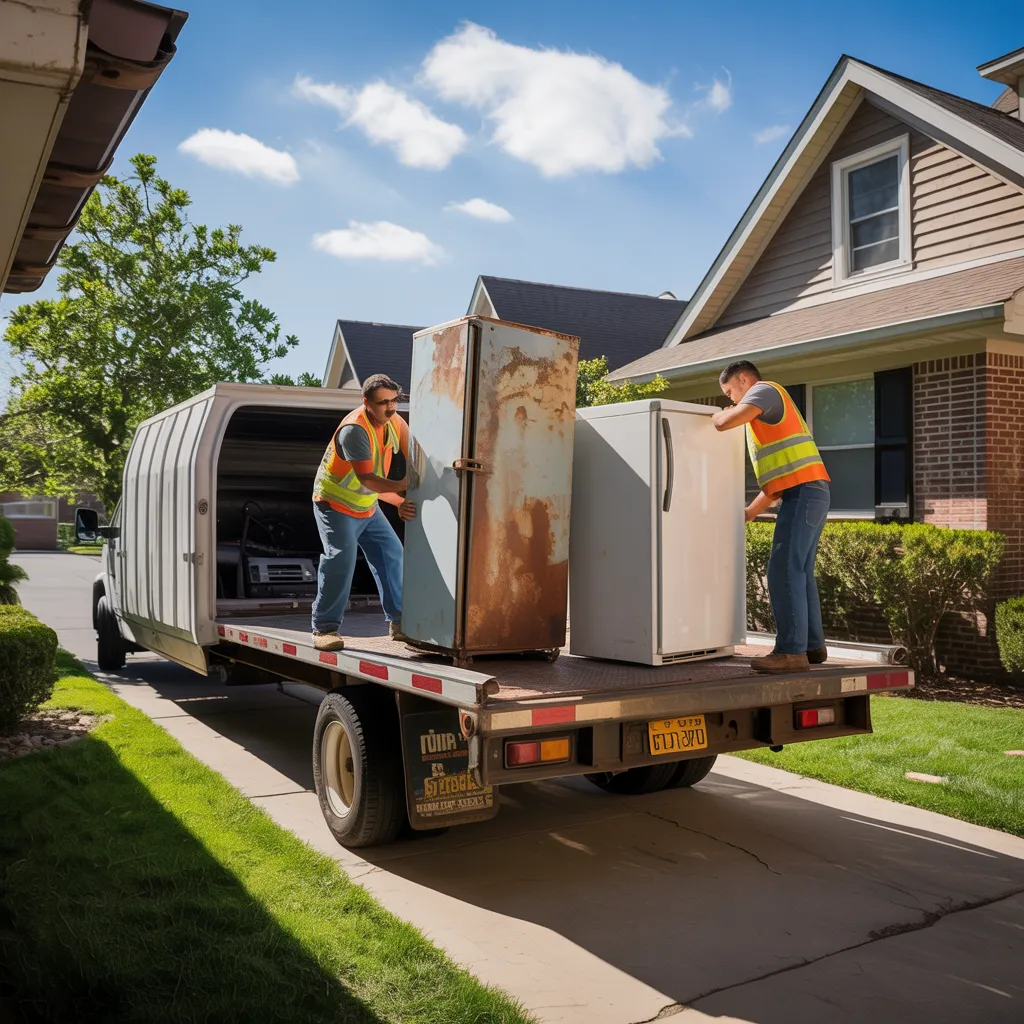
When faced with the challenge of getting rid of heavy items, many individuals may find themselves hesitant about whether to tackle the task on their own or to seek professional help. Heavy furniture, appliances, and construction debris can pose significant risks, including personal injury and property damage. People lacking the required equipment or physical strength should consider hiring professionals who are trained to handle such situations safely. Additionally, professional junk removal services often have the proper vehicles and tools to efficiently transport and remove heavy items. In the end, the decision should be based on personal ability, safety considerations, and the complexity of the removal process. When in doubt, selecting professional assistance can provide peace of mind and provide a more streamlined experience.

Time Limitations Consideration
Although many people may desire to manage junk removal on their own, time pressures can greatly influence the decision to hire professionals. For those with packed schedules or looming deadlines, enlisting expert help can provide a swift resolution. Professionals not only accelerate the process but also bring the needed equipment and experience to manage large volumes of junk effectively. In addition, unexpected life events, such as moving or renovations, can create urgent needs for decluttering that people may not be able to handle alone. In such circumstances, enlisting the pros guarantees timely completion, letting clients to attend to other pressing matters. Finally, evaluating one's schedule and urgent needs is essential in deciding whether to seek professional assistance for junk removal.
Dangerous Materials Management
Handling hazardous materials requires expertise and careful consideration, as inadequate disposal methods can present serious health and safety risks. Items such as batteries, paints, chemicals, and electronic waste contain substances that can negatively impact the environment and human health if not dealt with appropriately. It is vital for individuals to recognize when these materials are present and to be aware of the legal regulations related to their disposal. In cases involving hazardous waste, engaging professional junk removal services is highly recommended. These experts are trained to safely manage and dispose of hazardous materials while adhering to local laws. By hiring professionals, individuals can guarantee their space is decluttered without sacrificing safety or the environment.
Common Questions
What Things Should I Not Throw Out During Decluttering?
Throughout decluttering, it's important to avoid throwing away emotionally valuable items, important documents, electronics that may have value, hazardous materials, and items that can be reused or donated. Careful consideration makes certain meaningful or valuable possessions won't be thrown away.
What's the Correct Method for Recycling Electronic Waste?
To properly recycle electronic waste, it's important to find certified e-waste recycling centers, adhere to local regulations, and guarantee devices are wiped clean of personal data prior to disposal. This promotes environmental sustainability and reduces damaging landfill impact.
What're Green Junk Removal Choices?
Green junk removal choices include donating usable items, recycling goods, and employing sustainability-minded removal services that emphasize sustainable practices. Individuals can also leverage community programs that concentrate on reducing landfill waste and encouraging environmental responsibility.
What's the Best Way to Handle Sentimental Items Throughout Decluttering?
When managing sentimental items during decluttering, one must assess their emotional value, consider taking photographs, and limit retention to just a few meaningful pieces. This approach helps maintain memories while reducing clutter effectively.
Is It Possible to Donate Damaged or Broken Items?
Contributing damaged or broken items is commonly discouraged, as many organizations would rather receive functional goods. That said, some donation centers may receive them for refurbishing or recycling. The best approach is to ask directly with the particular organization before making your donation.